
Peptides are short strings of amino acids that have varied functions within the body. The scientific world investigates peptides for their possible benefits in terms of reducing inflammation. They have also shown benefits in tissue healing, metabolic processes, and improving gut health.
A large number of peptides are administered via injections; however, oral peptides continue to gain popularity among researchers and consumers alike. Oral administration can be more convenient; however, gastric acid and enzymes may degrade peptides before they reach their site of action.
This blog covers all information on oral peptides, the differences between injectables and orals, the mechanism of action of oral peptides, and research on BPC-157, KPV, and Larazotide.
Oral peptides are peptide compounds taken by mouth, often in capsules or tablets. Unlike injections, they pass through the digestive system, where stomach acid and enzymes may break them down. This can affect their stability and absorption, making oral delivery an important area of peptide research.
The major difference between the two peptide forms is that the manner of entering the body is different. The injectable form avoids most of the digestion process. Depending on the type of injection, the compound might enter the blood or the neighboring tissues in a direct manner. This may prevent the compound from being destroyed by digestive enzymes.
| Feature | Oral Peptides | Injectable Peptides |
| Delivery | Taken by mouth | Delivered through injection |
| Convenience | Generally easier to administer | Requires injection |
| Digestive exposure | Exposed to the digestive system | Usually bypasses digestion |
| Absorption | May be limited | Often more predictable |
| Administration | No needles required | Requires injection technique |
Neither method is automatically better. The appropriate delivery method depends on the peptide, its formulation, its stability, and the purpose of the research.
To exert its biological action, the orally administered peptide must remain stable long enough to reach the required site of action. Firstly, the stomach is considered a barrier because of its acidic pH, which may affect the peptide’s stability. Secondly, enzymes involved in digestion can hydrolyze peptide bonds and make smaller peptide fragments. Further on, after the stomach passage, the peptide reaches the intestine, where it can work locally or cross the intestinal wall into the blood.
The Role of Formulation
Various methods are used by researchers to enhance the oral delivery of peptides. They include formulation, coating, absorption enhancement, and chemical modification techniques. There are some formulations that aim at protecting peptides from degradation during digestion. Other formulations might regulate the site of compound release into the digestive system. This explains why the same peptide in its injectable form cannot necessarily exhibit the same effect when administered orally.
The research on peptides has increasingly focused on the digestive tract. Certain compounds are being researched due to potential associations with inflammation of the intestines, the function of the barrier, and tissue healing.
BPC-157, KPV, and Larazotide are three peptides that are widely known in this regard, but their history of research and the extent of evidence vary.
BPC-157
BPC-157 is a peptide that has gained a lot of attention in preclinical studies. As scientists are examining its action on tissue healing mechanisms, inflammation, and gut functioning. Its association with intestinal functioning and research has become one of the main reasons for interest in studying this peptide.
KPV
KPV refers to a small peptide fragment that is well known in relation to alpha-melanocyte stimulating hormone, also known as α-MSH. The peptide came into focus due to its possible anti-inflammatory activity and influence on inflammatory mechanisms.
As KPV is relatively small, it is considered an interesting subject for research on oral drug delivery, although it is important to keep in mind that a smaller peptide is not necessarily more effective orally.
Larazotide
It is important to note that larazotide is a peptide that has undergone some research in gastrointestinal science, specifically on intestinal barrier function. This peptide is unique in the sense that it has been tested in human clinical studies. Nevertheless, it is necessary to analyze the development and approval of this peptide before making any conclusions.
The other aspect that is notable about larazotide is the fact that this peptide exhibits an important principle in oral peptide research. A peptide is not always supposed to have a high level in the blood in order for it to be scientifically significant.
The effectiveness of an oral peptide depends on several factors. These include the peptide’s structure, stability, formulation, dose, and intended site of action.
Peptides designed to have systemic effects may face significant absorption challenges. If digestive enzymes break down the compound, only a small amount may reach the bloodstream in its active form.
However, peptides being investigated for local gastrointestinal activity may have different requirements. In some cases, the goal is for the compound to interact with the digestive tract rather than circulate throughout the body.
Why Formulation Matters
Effectiveness cannot be judged by the delivery route alone. Researchers should examine evidence for the specific peptide and formulation being studied.
A peptide that shows activity in a laboratory experiment may not produce the same result in humans. Similarly, positive findings in animal studies do not automatically confirm human effectiveness.
The strongest evidence generally comes from well-designed human clinical trials. When such evidence is unavailable, researchers should interpret findings with appropriate caution.
The safety profile of an oral peptide depends on the specific compound and how it is used. Many research peptides have not been evaluated in large, long-term human studies. This means important questions about long-term safety, drug interactions, and potential side effects may remain unanswered.
Product Quality Concerns
Quality is yet another factor that needs to be considered. Poor manufacturing processes may cause contamination or inaccurate concentration of the substance. Testing by third parties may solve part of the problem. But independent testing cannot guarantee the safety or efficacy of the substance for humans. Third-party testing can only give information on the identification and quality of the substance.
Researchers need to consider the source of the substance, as well as the information that can be provided by the manufacturer of the substance. Documentation on testing, sourcing, storage, and handling will minimize confusion. Those thinking of using peptides for health purposes should consult a healthcare provider.
Testing is an important part of responsible peptide research. It can help verify whether a product contains the compound described by the supplier and whether it meets stated purity standards.
Laboratory testing may examine the identity, purity, and chemical characteristics of a peptide. Techniques such as high-performance liquid chromatography (HPLC) and mass spectrometry may be used for analytical testing.
Third-Party Testing
Third-party testing provides an additional level of independent verification. It can give researchers more confidence that the product has been assessed by a laboratory separate from the supplier. However, the value of testing depends on the quality of the laboratory and the methods used.
Understanding a Certificate of Analysis
The COA offers valuable insights into the characteristics of a particular batch. The testing procedure, purity, and batch information should be considered when researchers review COAs. The batch number on the COA should correspond to the batch of the supplied product. Proper documentation allows the researcher to evaluate the quality of the product.
In addition, the researcher must realize the limitations of the tests. For instance, a purity test will identify the nature and the amount of the substance in question but will not guarantee its medicinal efficacy or safety for a certain individual.
First, review published scientific research. Think about whether the evidence is from lab experiments, animal studies, or human clinical trials. This helps researchers understand how much is known about the compound and where important knowledge gaps exist.
Purity and Identity Check
Look for suppliers who provide clear details about purity and identity. If they have been independently lab-tested, you can also have more confidence in the product’s stated specs.
Review the Certificate of Analysis
A COA can provide useful information about a specific batch. Check the testing method, reported purity, and batch details. The documentation should be clear and easy to understand. If information is missing or difficult to verify, researchers may want to consider other suppliers.
Understand Storage Requirements
Before purchasing a peptide, check its recommended storage conditions. This is particularly important if the product requires refrigeration or protection from light and moisture.
Consider Supplier Transparency
A reliable supplier should clearly explain its sourcing and testing practices. Transparency can make it easier for researchers to assess the quality of the products they are considering.
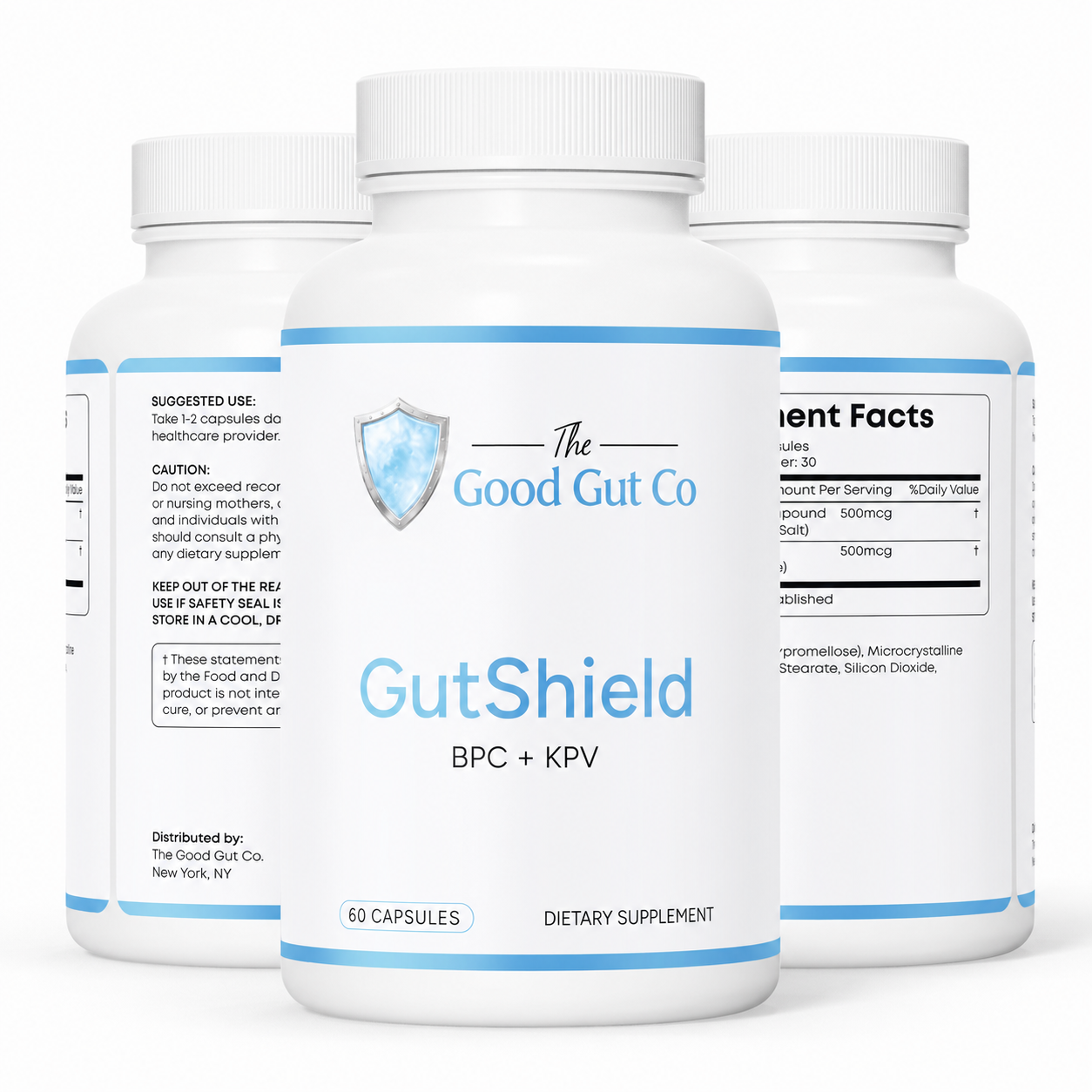
If you want to support your gut health, The Good Gut Co offers high-quality supplements made with care and attention to detail. The brand focuses on purity, consistency, and clear sourcing. Its products are also independently tested by third parties to help ensure quality and give customers greater peace of mind.
The Good Gut Co believes that choosing a gut health supplement should be simple and clear. From careful sourcing to secure packaging, each step is designed with quality in mind. With a focus on reliable products and helpful customer support, The Good Gut Co aims to make it easier for consumers to find supplements that fit their gut health and daily wellness needs.